Archives
- 2026-10
- 2026-09
- 2026-08
- 2026-07
- 2026-06
- 2026-05
- 2026-04
- 2026-03
- 2026-02
- 2026-01
- 2025-12
- 2025-11
- 2025-10
- 2025-09
- 2025-03
- 2025-02
- 2025-01
- 2024-12
- 2024-11
- 2024-10
- 2024-09
- 2024-08
- 2024-07
- 2024-06
- 2024-05
- 2024-04
- 2024-03
- 2024-02
- 2024-01
- 2023-12
- 2023-11
- 2023-10
- 2023-09
- 2023-08
- 2023-07
- 2023-06
- 2023-05
- 2023-04
- 2023-03
- 2023-02
- 2023-01
- 2022-12
- 2022-11
- 2022-10
- 2022-09
- 2022-08
- 2022-07
- 2022-06
- 2022-05
- 2022-04
- 2022-03
- 2022-02
- 2022-01
We have previously shown that the antinociceptive effect of
2024-04-15
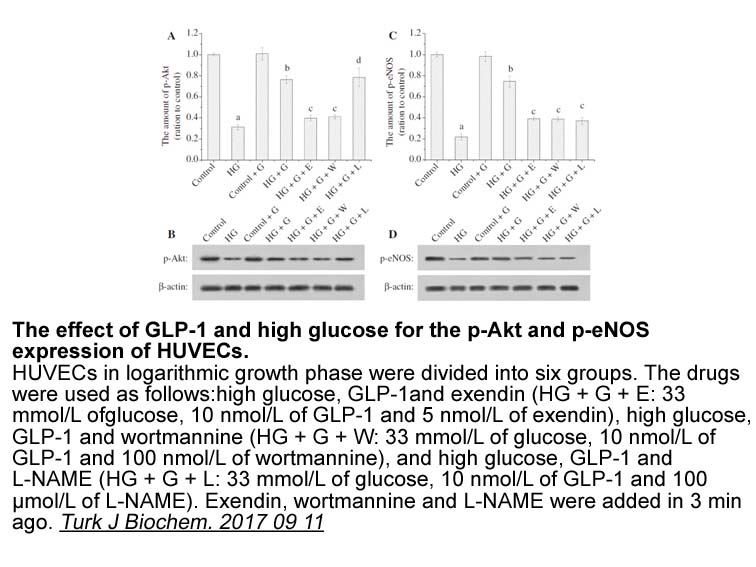
We have previously shown that the antinociceptive effect of tramadol, an analgesic that, like paracetamol is able to increase serotonin levels within CNS, is potentiated or antagonized respectively by a 5-HT1A/B nonspecific Colistin Methanesulfonate sodium salt blockade or activation (Rojas-Corrale
br Conflict of Interest br Transparency Document
2024-04-15
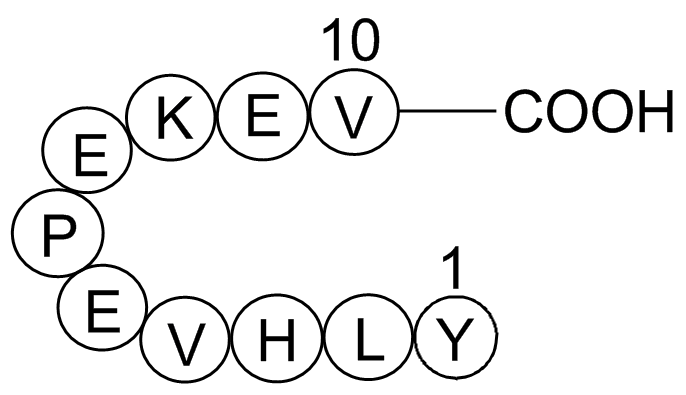
Conflict of Interest Transparency Document Introduction Mitoxantrone (MXT) is an androstenedione chemotherapeutic agent that is used to treat acute nonlymphocytic leukemia, acute lymphoblastic leukemia, prostate cancer, metastatic breast cancer, and non-Hodgkin’s lymphoma [13], [14]. It is
Osteocytes the most abundant cells in an
2024-04-15
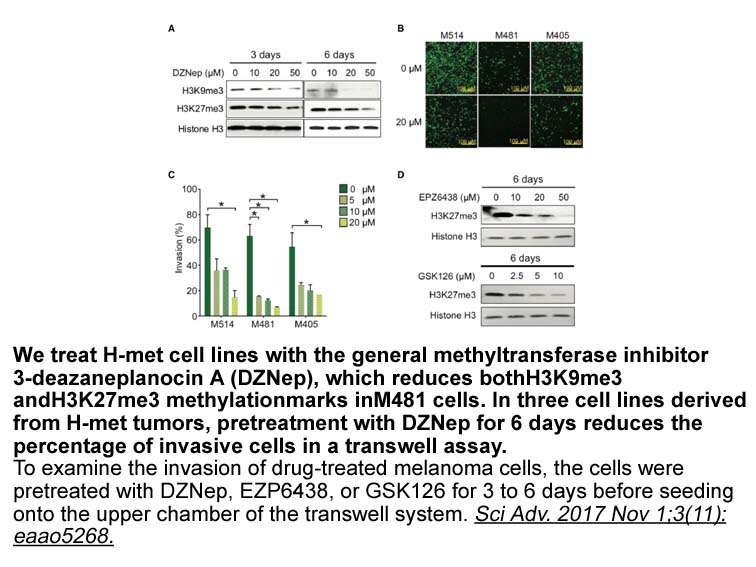
Osteocytes, the most abundant cells in an adult skeleton, are essentially mature osteoblasts that are surrounded by the products they secreted (Noble and Reeve, 2000). Osteocytes serve as mechanosensors that direct bone remodeling and that regulate the activities of osteoblasts and osteoclasts (Bone
Composite soil samples were transported to the laboratory an
2024-04-15
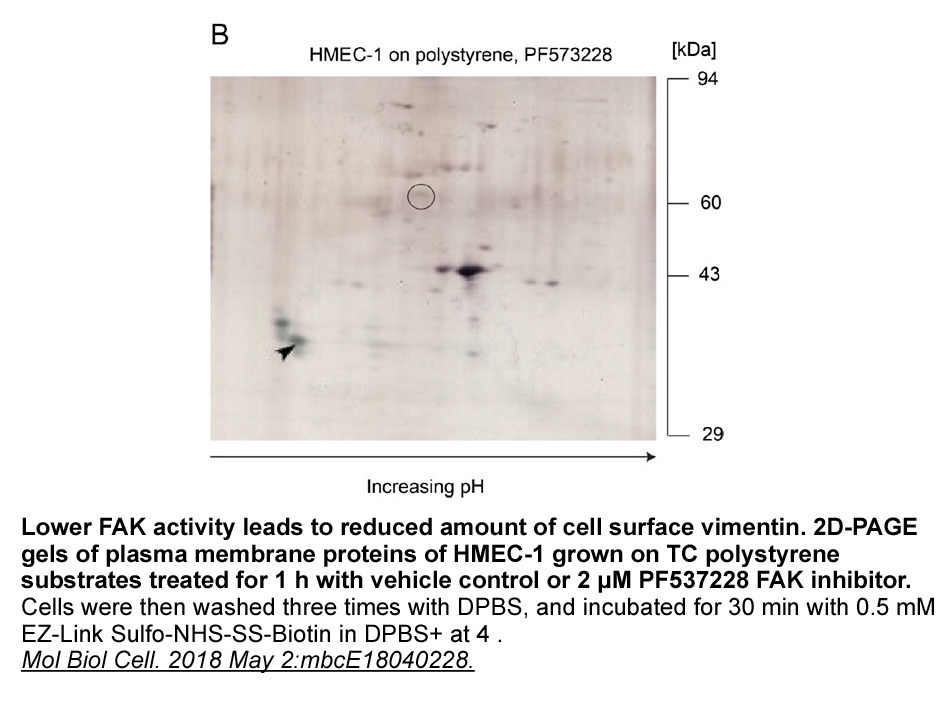
Composite soil samples were transported to the laboratory and then dried, crushed and passed through a 2mm sieve was. Sample digestion and release of elements method Sposito was performed [15]. Accordingly, taking into account soil moisture to 2g soil samples 12.5ml of nitric acid was added 4M. Samp
Application of the broad acting HTR antagonist
2024-04-15
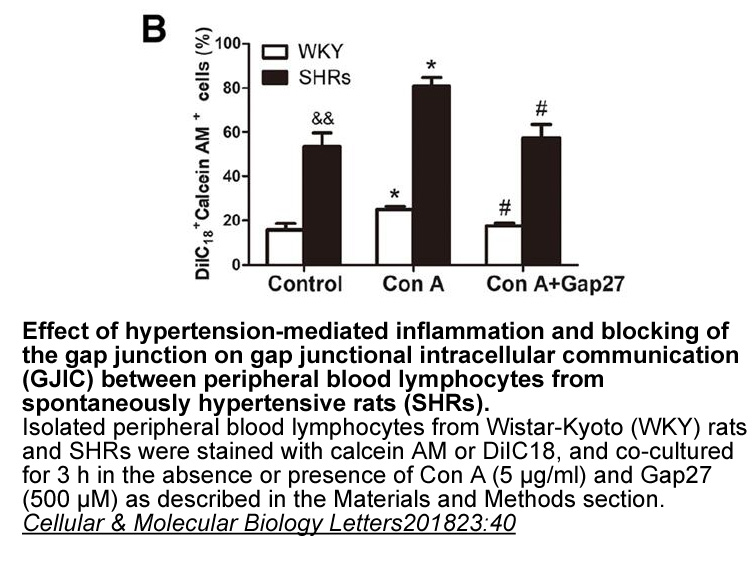
Application of the broad-acting 5-HTR antagonist methiothepin (Bard et al., 1996, Hoyer et al., 1994, Peroutka, 1990) converted the TBS-induced response of both thalamocortical and intracortical A1 synapses from LTP to LTD, an effect that was mimicked by the selective 5-HT2R antagonist ketanserin (L
In conclusion we have produced some highly potent
2024-04-15
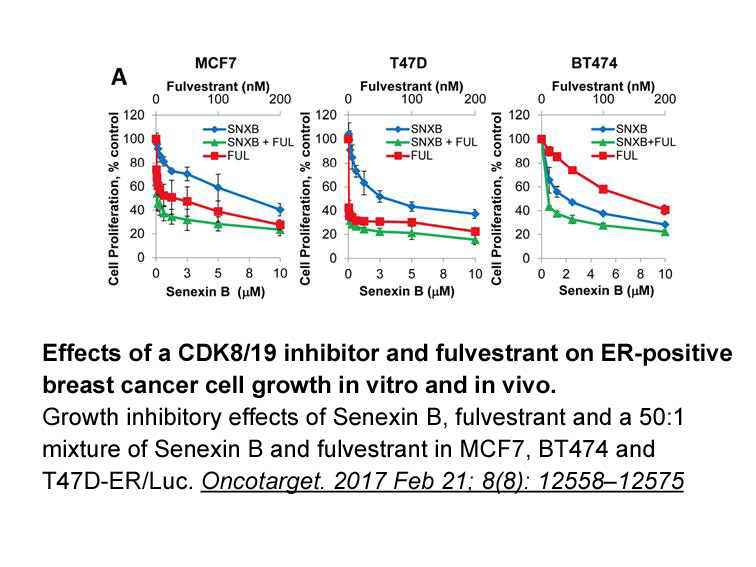
In conclusion, we have produced some highly potent inhibitors of P450 in comparison to the standard rxr receptor KTZ. Also, due to the limited specificity of these compounds against lyase in comparison to the 17α-OHase component, these compounds would be expected to have a major impact on corticost
br Cytochrome b br Cytochrome P hydroxylase
2024-04-15
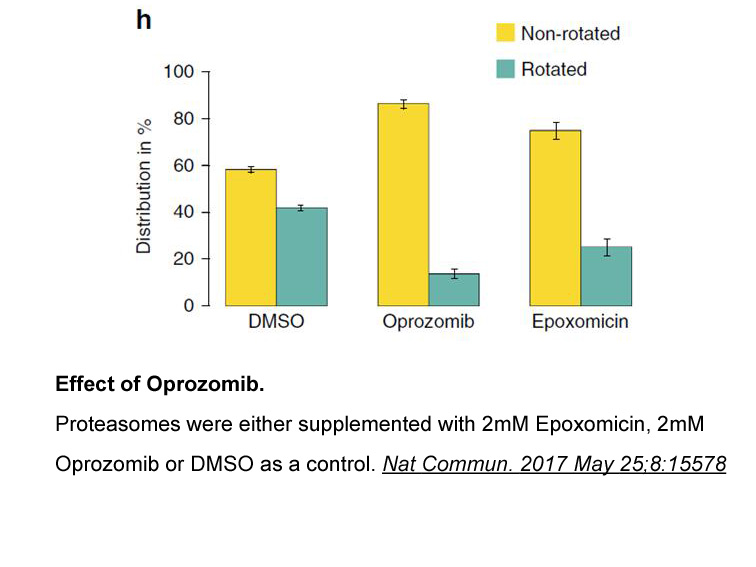
Cytochrome b5 Cytochrome P450 17α-hydroxylase/17,20-lyase (P450 17A1) A number of P450s involved in steroid biosynthesis are multifunctional as they carry out two or more sequential hydroxylation reactions on the same substrate(s). P450 17A1 is a dual function endoplasmic reticulum enzyme enco
Chloramphenicol Five alternatively spliced isoforms of ATX
2024-04-15
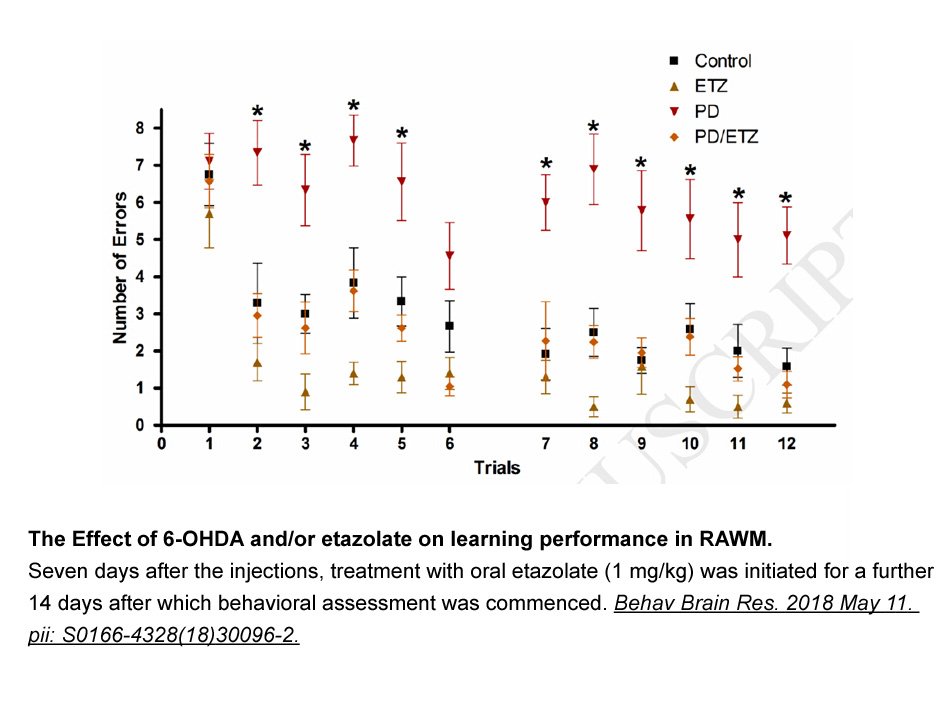
Five alternatively-spliced isoforms of ATX have been described and all are catalytically active [16], [17]. The original ATX described in 1992 is termed ATXα, whereas the most abundant isoform is ATXβ and is the same isoform responsible for plasma lysoPLD activity [18]. Full length ATX is synthesize
The Kelch like ECH associated protein Keap Nrf
2024-04-15
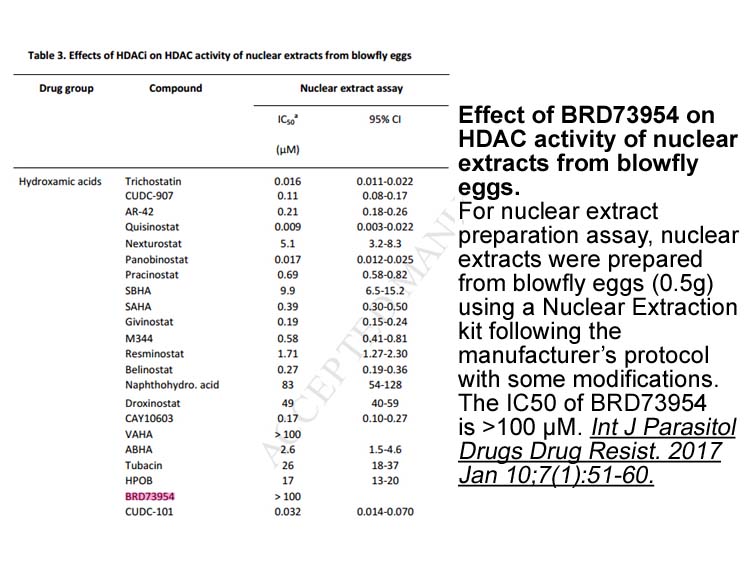
The Kelch-like ECH-associated protein 1 (Keap1)-Nrf2 signaling pathway functions as one of the key regulator of the cellular defense system against oxidative stress [26]. Nrf2 is a redox-sensitive transcription factor, that is sequestered in the cytoplam by binding to Keap1; however, under oxidative
These recommendations may be useful for the future
2024-04-15
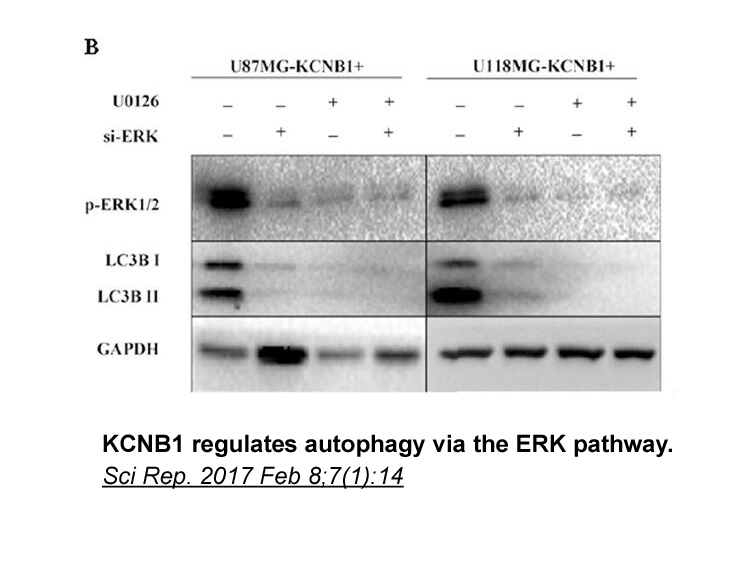
These recommendations may be useful for the future to avoid misleading reports and pairings. However, the existing literature can also hold back current research on some given orphans. Before entering into drug development or further physiological conceptual framework, these pairings should be thoro
Another hypothesis is angiogenesis inhibition
2024-04-15
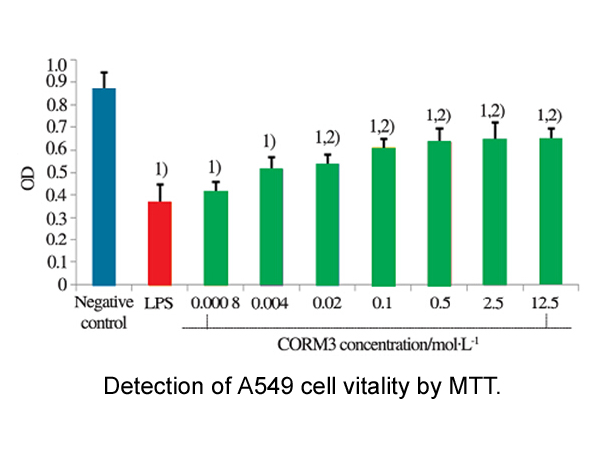
Another hypothesis is angiogenesis inhibition. Angiogenesis is a process that involves the growth, migration and differentiation of endothelial TRAM 39 to form new blood vessels. Angiogenesis favorably influences tumor growth and also influences tumor invasion of vessels, resulting in tumor metasta
The A b action occurs in conditions
2024-04-13
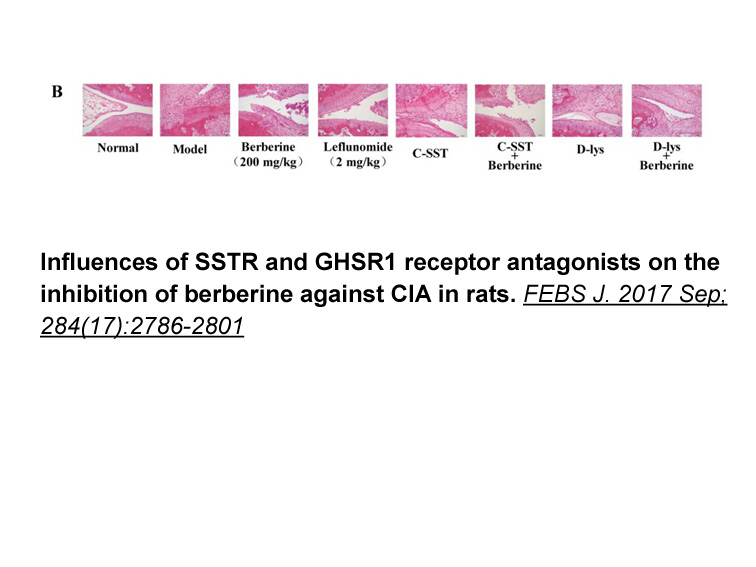
The A2b action occurs in conditions where high concentrations of adenosine is generated, so its blockage does not interfere with other physiological processes mediated by adenosine and others AR [105]. Furthermore the A3 receptor was shown to have pro-apoptotic effects on tumor lines of breast, lung
br Experimental procedures Adk tg Adktm tg
2024-04-13

Experimental procedures Adk-tg (Adktm1−/−:tg(UbiAdk) mice were created by breeding a loxP-flanked Adk transgene under the control of a human ubiquitin promoter into ADK knockout mice (Fedele et al., 2005,). Fb-Adk-def (Adktm1−/−:tg(UbiAdk):Emx1-Cre-tg3) mice were generated by pairing Emx1-Cre-tg3
AdipoRon is an orally active synthetic small molecule that a
2024-04-13

AdipoRon is an orally active, synthetic small molecule that activates adiponectin receptor (AdipoR). It mimics the antidiabetic effects of adiponectin, exhibiting its effect through the activation of AMPK and PPARα pathways via AdipoR1 and AdipoR2, respectively (Fig. 2) [62]. AdipoR activation has r
In these experiments recordings were performed continuously
2024-04-13

In these experiments, recordings were performed continuously in the homecage and during the first 5 days of training on a randomized forced alternation T-maze working memory task (Figures 1A, 1B, 3A, and 3B) (Kucewicz et al., 2011). Sleep and wake states were determined by simultaneous recording of
8101 records 202/541 page Previous Next First page 上5页 201202203204205 下5页 Last page